
The Fast-Growing Sport You Need to Know About
Padel is quickly gaining popularity around the world, but what exactly is this sport? If you’ve heard of padel but aren’t entirely sure what it involves, you’re in the right place. In this blog, we’ll dive into what padel is, its origins, how it’s played, and why it’s become a must-try sport for fitness enthusiasts, social players, and athletes alike. Whether you’re looking to learn a new sport or explore ways to add more fun to your fitness routine, this guide will introduce you to the exciting world of padel.
What is Padel?
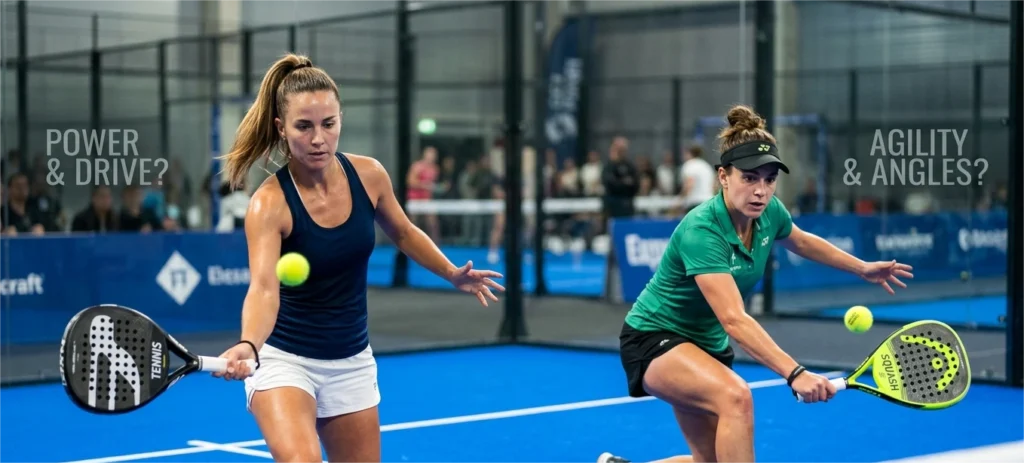
Padel is a racket sport that combines elements of tennis and squash. Played on an enclosed court that’s smaller than a tennis court, the game involves hitting a ball over a net using solid rackets. Padel is typically played in doubles (2 vs. 2), but it can also be played in singles. Unlike tennis, the walls surrounding the court are part of the game, allowing players to use them to bounce the ball back into play, similar to squash.
It’s a fast-paced game with a focus on strategy, precision, and teamwork, making it a fun and engaging sport for all skill levels.
A Brief History of Padel
Padel’s roots can be traced back to the early 1960s in Mexico. The sport was created by Enrique Corcuera, who built the first padel court at his home in Acapulco. He took inspiration from tennis and the game of squash, combining the two into a sport that could be played in smaller, more confined spaces.
In the 1970s, padel gained traction in Spain, where it quickly became a favorite pastime. The International Padel Federation (FIP) was founded in 1974, formalizing the sport’s rules and helping to spread it across Europe and beyond. Today, padel is played in many countries, with Spain and Argentina being two of the most prominent nations in the sport.
How is Padel Played?
Padel is played on a rectangular court that’s 20 meters long and 10 meters wide. The court is divided into two halves by a net, similar to tennis. The walls surrounding the court are made of glass or mesh, and they play a vital role in the game. Players hit the ball over the net, but if the ball bounces off the walls, it can still be played back.
The object of the game is simple: hit the ball over the net in such a way that the opposing team cannot return it. Players must serve the ball into the opponent’s service box, similar to tennis, and after the serve, the game follows a rally where players hit the ball back and forth. The ball must bounce no more than once on the ground, but players can use the walls to their advantage, allowing for some incredibly strategic plays.
Basic Rules of Padel
Scoring: Padel uses the same scoring system as tennis (15, 30, 40, and game), with players needing to win at least six games to take a set (with at least a two-game lead). A match usually consists of the best of three sets.
Serving: The server must serve underhand from behind the service line. The ball must bounce once on the server’s side and then land in the opponent’s service box. Each player gets two serves before their turn is over.
Walls: Unlike tennis, padel allows players to use the walls to return the ball. The ball is allowed to hit the walls after bouncing on the ground, and players can strategically use this to their advantage.
Double Play: Padel is most commonly played as doubles, with two players on each team. This makes the game more dynamic and social, as the strategy revolves around teamwork and communication.
Let: If the ball hits the net during the serve but lands in the correct service box, a “let” is called, and the serve is repeated without penalty.
Why is Padel So Popular?
- Easy to Learn, Hard to Master; Padel has a reputation for being easy to learn, making it an accessible sport for people of all ages and fitness levels. The rules are straightforward, and you don’t need to have a background in tennis or squash to enjoy playing. However, as with any sport, padel offers a lifetime of challenges as you hone your skills and develop more advanced strategies. The game’s fast pace and dynamic playstyle ensure there’s always something new to learn.
- Great for Fitness: Playing padel is an excellent way to stay fit while having fun. It’s a highly cardiovascular sport that requires agility, quick reflexes, and endurance. The game involves plenty of lateral movement, helping to improve your agility and coordination. Since padel is played in doubles, it also promotes teamwork, which can make it a social workout activity.
- Social and Inclusive: Padel is a very social sport. The doubles format promotes teamwork, communication, and camaraderie, making it ideal for playing with friends, family, or colleagues. It’s common to find people of all skill levels enjoying the game together, which creates a fun and inclusive environment. The compact courts also allow for easy viewing, so spectators can enjoy the game just as much as players.
- Suitable for All Ages: One of the great things about padel is that it can be enjoyed by people of all ages. Whether you’re a child looking to try something new or an older adult looking for a low-impact sport, padel is suitable for everyone. The smaller court size and emphasis on strategy rather than raw power make it ideal for those who may not have the stamina for more intense sports like tennis or squash.
- Outdoor and Indoor Play: Padel can be played both outdoors and indoors, making it a versatile sport. In places with favorable weather, outdoor courts are a popular choice, while indoor courts allow for year-round play. This makes it easy to enjoy padel regardless of the season or weather conditions.
Padel Equipment
To play padel, you only need a few key pieces of equipment: a racket, a ball, and comfortable athletic wear.
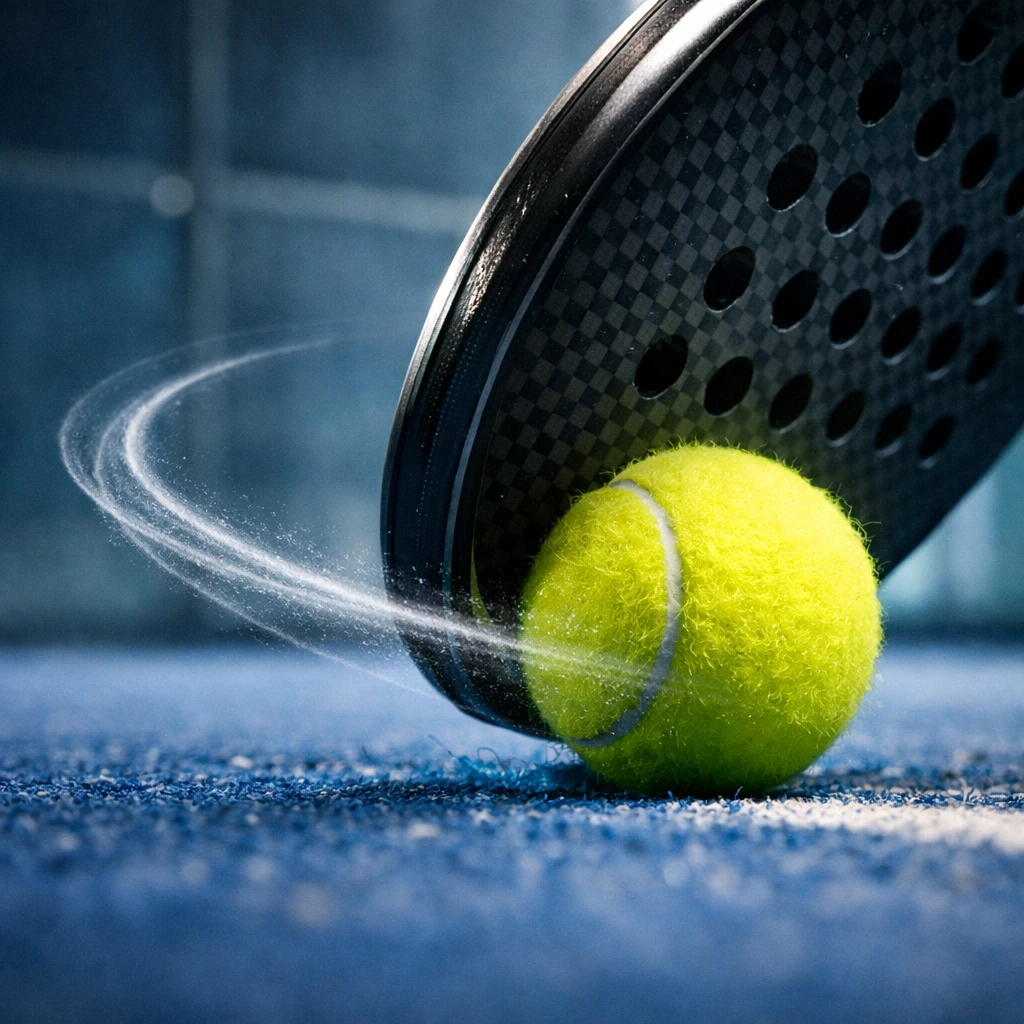
Padel Racket: The padel racket is solid and perforated, making it different from a tennis racket. The design helps provide the right balance of control and power. There are many options available, from beginner-friendly rackets to professional-level equipment.
Padel Ball: The ball used in padel is similar to a tennis ball but with slightly less pressure. It’s smaller and softer, which makes it easier to handle.
Sportswear: Wearing comfortable, breathable clothing is important in any sport, and padel is no exception. Many players opt for light, moisture-wicking gear to stay cool during the match.
Conclusion
Padel is an exciting, fast-paced, and social sport that has taken the world by storm. Whether you’re a seasoned player or a newcomer, it offers a fun and challenging way to stay active, improve fitness, and enjoy time with friends and family. As the sport continues to grow in popularity, there’s no better time to get involved. So, grab your racket, find a court, and start playing today!