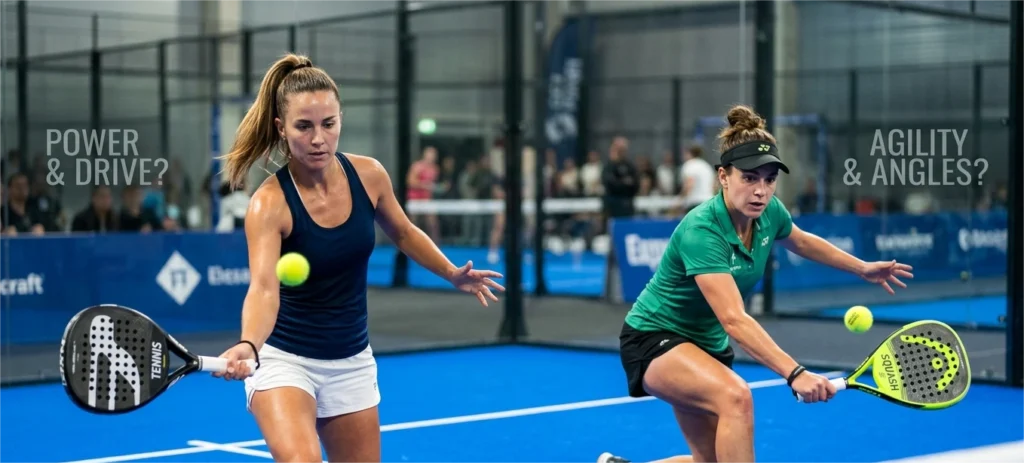
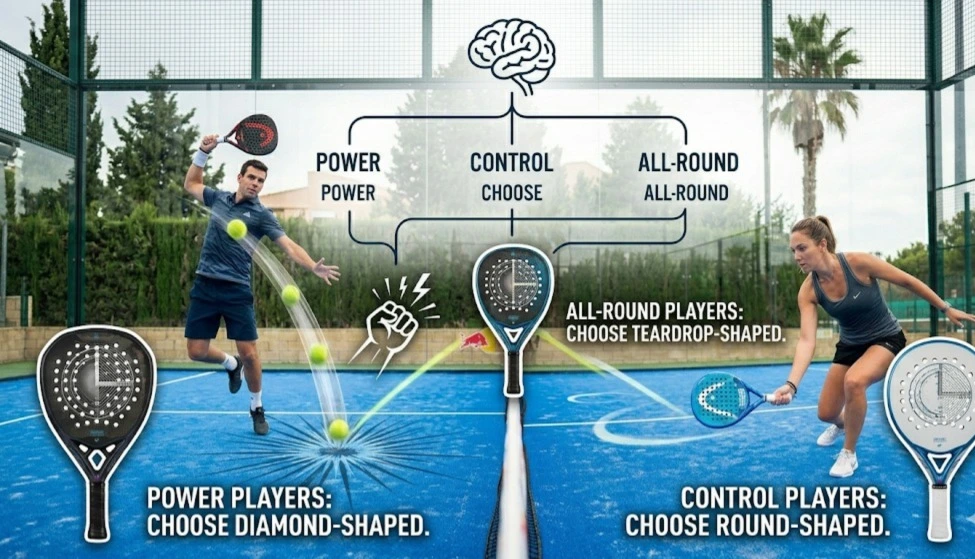
Good padel buying advice is usually practical rather than flashy. The right choice is the one that helps you play better for the next six months, not the one that sounds most professional. In a topic like how to choose a padel racket based on your playing style, the useful questions are simple: how will the choice affect playing style, what will it do for control, and will it still feel right after a few weeks of regular play? For most recreational players, steady control beats occasional brilliance.
For a UK-based padel site, the strongest article is one that answers those real buying questions in plain language. Instead of chasing generic phrases, it helps to talk naturally about things players already care about: playing style, control, power, manoeuvrability, sweet spot. That approach aligns better with people-first search guidance and also gives a shopper enough detail to act on.
Quick takeaways
Prioritise playing style only if it improves day-to-day play rather than just headline appeal.
- Treat control and power as linked choices, not isolated specs.
- If comfort is uncertain, err towards the more forgiving option and add performance later.
- For most club players, consistency across a full match matters more than one standout shot.
Start with the real use case
The best way to approach how to choose a padel racket based on your playing style is to picture the player first and the product second. Are you buying for weekly club matches, casual sessions with friends, or a first lesson? For those just starting their journey, selecting a Beginner Padel Racket is the most sensible move, as these models are designed with larger sweet spots to help you build a consistent connection with the ball.
A recreational player usually gets more value from an easy, forgiving setup than from a demanding model that only shines on perfectly struck shots. In padel, repeatable contact and comfort often matter more than a dramatic spec sheet. That is why many sensible purchases begin with a calmer question: what will feel dependable after ninety minutes on court?
What features matter most
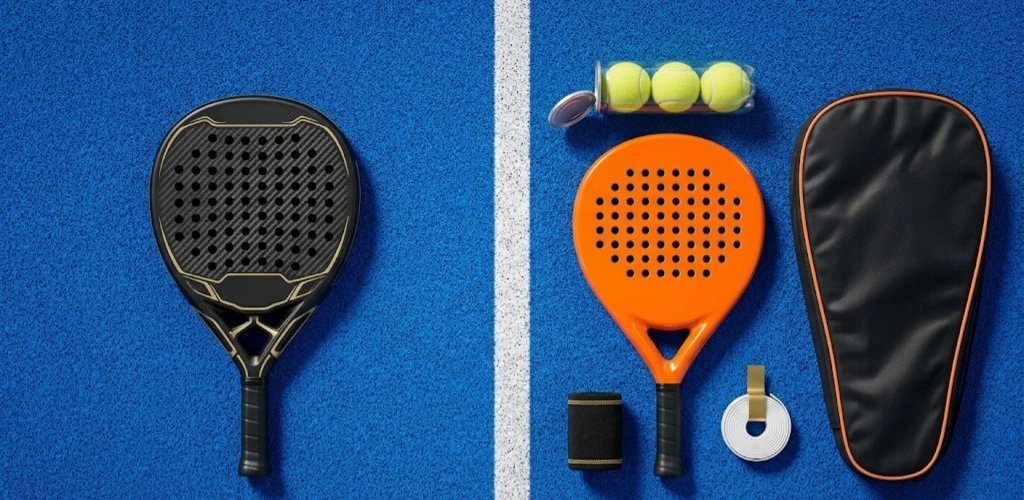
When buyers compare products online, the most useful specs are normally weight, balance, shape, and feel. These influence manoeuvrability, stability, and how the sweet spot feels in practice. As you move past the initial learning phase, exploring an Intermediate Padel Racket allows you to experiment with slightly firmer materials that offer more feedback without sacrificing the maneuverability needed for quick net transitions.
If a listing sounds exciting but does not explain who the product suits, treat it cautiously. A good description should tell you whether the racket is forgiving, lively, firm, soft, quick through the air, or tiring over a longer match. That kind of plain language helps more than generic promises of professional-level performance.
Common buying mistakes
One of the most common mistakes is buying for an aspirational identity rather than present-day performance. A player who sees themselves as an aggressive attacker may mistakenly choose a setup aimed at high-level pros, even though their points are actually won through defensive lobs and controlled volleys.
For those who have truly mastered their technique and require maximum response for high-speed play, an Advanced Padel Racket is the correct choice. These rackets utilize high-density carbon to provide the precision needed for last-second redirections and powerful smashes. However, choosing such a demanding model too early can result in less confidence rather than more authority.
What makes sense for most UK players
For most UK club players, a balanced and forgiving choice is the safe starting point. The weather, court pace, and mixed standard of social games often reward control, comfort, and easy handling more than all-out aggression. A racket that feels manageable in different conditions is often the one that stays in the bag longest.
If you mostly play indoors, you may prefer a slightly firmer feel than someone who plays outdoors in cooler conditions. Still, the broad rule holds: buy for consistency first and specialist performance second. That keeps the decision grounded and reduces the chance of buyer’s remorse.
How to make the final decision
Before you click buy, narrow the options to two or three and compare them against the same checklist. How often will you play, what shot gives you most confidence, how much comfort do you need, and do you want the racket to help you now or to challenge you immediately? That framework usually produces a better answer than reading another twenty product titles.
If two options still look close, go with the one that sounds easier to live with over a full month of play. Padel gear should remove friction from your game. When a racket supports decision-making, timing, and comfort, it is already doing the most important job.
A useful reality check
A useful final check is to ask whether the setup would still make sense after a month of mixed results. If the answer is yes, the decision is probably built on the player’s routine rather than temporary excitement. That sort of realism tends to produce better purchases and better long-term satisfaction.
It also helps to judge the choice against tired-day padel rather than perfect-day padel. If the racket still sounds manageable when reactions are slower and timing is not exact, it is probably a sensible fit. That is often where practical value reveals itself.
Another good test is whether you could explain the choice in one calm sentence to a friend at your club. If the reason is clear, such as better comfort, easier handling, or more dependable control, the purchase is probably grounded in something useful. If the explanation relies only on hype, the decision may need another look.
A useful final check is to ask whether the setup would still make sense after a month of mixed results. If the answer is yes, the decision is probably built on the player’s routine rather than temporary excitement. That sort of realism tends to produce better purchases and better long-term satisfaction.
It also helps to judge the choice against tired-day padel rather than perfect-day padel. If the racket still sounds manageable when reactions are slower and timing is not exact, it is probably a sensible fit. That is often where practical value reveals itself.
Final word
In the end, how to choose a padel racket based on your playing style is less about chasing the most impressive option and more about matching the choice to real play. When equipment supports comfort, timing, and trust in your own decisions, it usually delivers more value than a racket chosen for image alone.